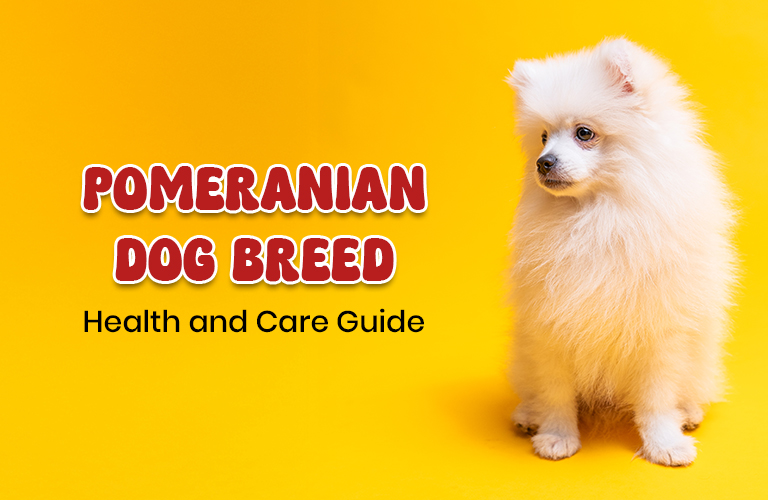
Have you ever watched a Pomeranian trot down the footpath with that proud little bounce, flaunting a coat that looks like it was fluffed by a personal stylist? These dogs have a way of stealing the spotlight! However, as adorable as a Pomeranian puppy is, parenting this breed means more than cuddles and cute Instagram photos. This breed is full of surprises, including both good and challenging ones, as well as a few that you only learn the hard way.
And if you’re thinking about bringing a Pomeranian puppy home (or you already have one ruling your living room), understanding who they are, where they come from, and what they need is the best way to keep them healthy and happy.
About the Breed
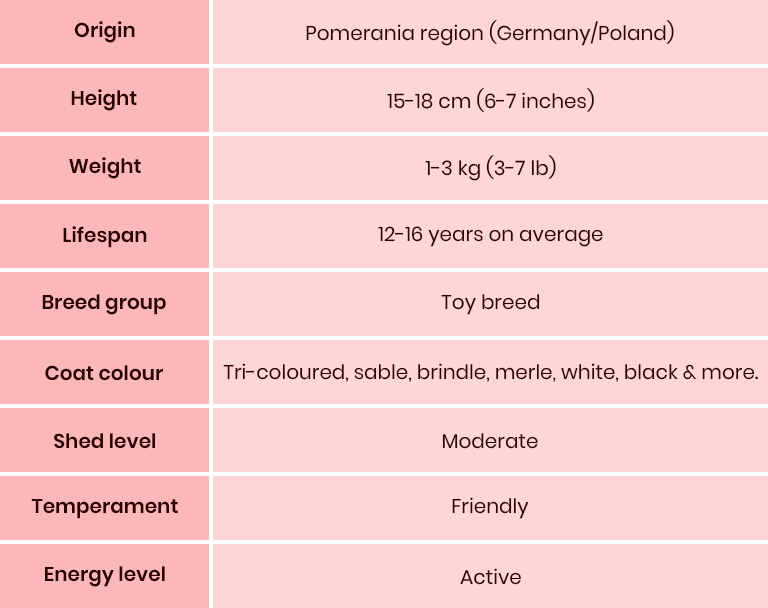
People are often surprised to hear that the tiny Pomeranian dog we know today is descended from the Spitz sled dog breeds. Yes, the same bloodline as the Akita, Alaskan Malamute, and Samoyed. Over the generations, they were bred down in size in the Pomerania region of northern Europe, eventually becoming the pint-sized companions we adore today.
The breed’s popularity grew after Queen Victoria became a passionate Pomeranian parent. The queen’s love of the breed was clear to everyone who saw her with her dogs. Probably her influence helped shape the breed’s modern look, such as smaller bodies, fluffier coats, and that bold, inquisitive personality.
Temperament and Personality
Spend five minutes with a Pomeranian and you’ll notice two things immediately:
- They are vocal and expressive.
- They have the confident spirit that makes them think they’re much larger than they really are.
Pet parents often describe Pomeranians as:
They’re smart… like scary smart.
You’ll notice this when a Pomeranian puppy starts picking up commands quickly or figures out how to get your attention with precision. They like mental challenges, scent games, short training sessions, and puzzle toys.
They love their humans.
Most Poms bond deeply with their family members. They’re often happiest being included in your daily routine, even if it’s just following you from room to room like a mini security guard.
They are surprisingly brave.
They will absolutely bark at a delivery truck if they feel threatened. Their watchdog instinct is strong, so early training helps keep the barking reasonable.
Common Health Issues in Pomeranians
Understanding your pet’s susceptibility to illnesses early helps you stay ahead of potential health issues. Pomeranians, in particular, are prone to the following health issues:
Dental disease: Toy breeds are susceptible to tartar buildup and gum inflammation. Dental care is non-negotiable; without regular cleaning, they can lose teeth prematurely.
Tip: daily brushing + annual professional dental cleaning is ideal.
Tracheal collapse: This is a common concern in Pomeranian dog breeds. If your dog develops a honking cough or makes a hacking sound when breathing, switch to a harness instead of a lead immediately to reduce pressure on the throat. If the problem continues, get them checked out by your veterinarian as soon as possible.
Luxating patella: This knee condition can cause limping or skipping steps. This is frequently seen in small breeds. Mild cases are often manageable, but severe cases may require veterinary intervention.
Black skin disease: Also known as Alopecia X. This condition can cause significant hair loss, and it may not grow back. Proper nutrition and regular grooming play a major role in prevention and early detection.
Hypoglycemia: Pomeranian puppies may experience low blood sugar, especially when under stress or with a poor appetite. Offering meals at regular intervals can help maintain stable energy levels.
Heart issues: As Poms age, they often develop heart murmurs or an enlarged heart. Regular veterinary checks become more important for early diagnosis and management.
Pomeranian Dog Care
A Pomeranian puppy is unbelievably cute but also delicate. Take a look at some of the efficient Pomeranian dog care tips:
Diet & Nutrition for Pomeranians
These toy breed dogs are highly energetic and burn out energy quickly. So, feeding them the right food in the right portion matters. Look for:
- Calorie-dense, easy-to-chew, small-sized kibble
- High-quality protein sources (chicken, salmon, lamb, etc.)
- Omega-3 and omega-6 fatty acids for skin and coat health
- Joint support supplements, such as chondroitin and glucosamine, as they age
- Controlled sodium for long-term heart health
Most Pomeranians thrive on two meals a day, with a few treats in between if they’re active.
Grooming a Pomeranian Dog the Right Way
Pomeranians don’t shed constantly like long-haired breeds; instead, they shed in cycles. When that seasonal shed hits, it really hits. Here’s what their grooming schedule should include:
- Brush several times a week, especially the undercoat.
- Avoid shaving, as it can permanently damage the coat growth.
- Regular trims around the paws and bottom to keep things neat.
- Bathing every 3-4 weeks works well for most Pom dogs.
- Check behind the ears and under the legs, where most mats hide.
- Use a pin brush and a metal comb to reach the undercoat safely.
Regular grooming keeps the skin healthy and helps you notice any changes early.
Pomeranian Training
People usually assume Pomeranians are fragile lap dogs, but they’re actually lively, funny, surprisingly athletic little companions. They enjoy:
- Short daily walks
- Obedience training
- Playtime with soft toys
- Games that involve problem-solving
Additionally, as they are naturally alert and suspicious of new sounds or strangers, controlled exposure from the beginning helps prevent anxious behaviours later.
How Long Do Pomeranians Actually Live?
One of the reasons people love this breed is its impressive lifespan. On average, Pomeranians live 12 to 16 years, but many reach 17 or 18 with good care.
Their longevity depends on the following factors:
- Genetics – Choosing a responsible breeder matters.
- A lack of nutrition and obesity shorten life expectancy.
- Consistent oral care – Dental infections and compromised oral health affect other organs, including the heart.
- Safe exercise routines protect joints from injury.
- Regular vet checks – Health issues are easier to manage when detected early.
When you commit to their physical and emotional needs, small-breed dogs tend to live longer, and the Pomeranian dog breed is a perfect example.
Final Thoughts: Should You Get a Pomeranian?
If you want a dog who’s bright, expressive, loyal and happy to be glued to your side, a Pomeranian might fit beautifully. But they do need consistent grooming, training, and health care.
When given the right environment and support, Poms reward their family with affection, laughter and that cheerful trot that somehow makes every day a little lighter.