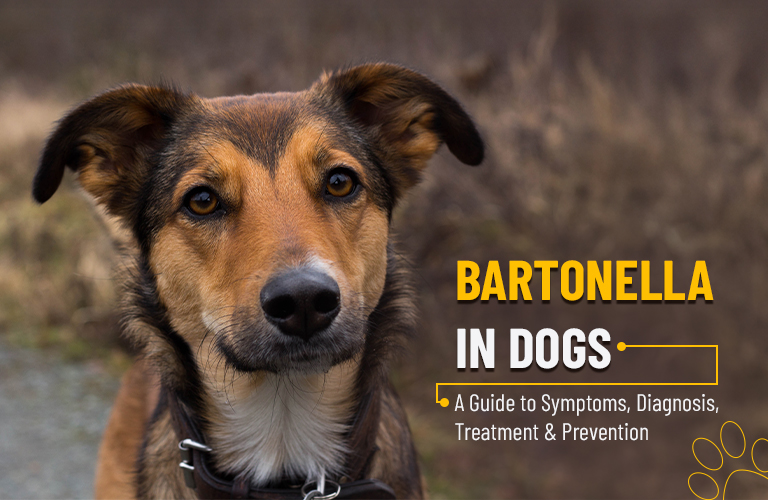
Imagine your energetic pup suddenly showing reluctance towards playtime due to a hidden bacterial infection – heartbreaking, right? Well, the culprit could be Bartonella Infection! It is a bacterial infection that targets a dog’s blood vessels and the cells lining blood vessels. But worry not, you can prevent the infection and keep your furry buddy healthy.
In this comprehensive guide, we will discover everything about Bartonella in Dogs, ranging from its causes to prevention strategies, so that you can keep your pet happier and healthier. Let’s dive in!
Understanding Bartonella Infection in Dogs
Bartonella Infection or Bartonellosis in Dogs is a bacterial disease spread mainly by fleas and ticks. Although there are many different species of Bartonella, only a few, such as Bartonella henseale and Bartonella vinsonii berkhoffi, have been known to cause infection in dogs.
The Bartonella bacteria invade the red blood cells and the lining of the blood cells, affecting the liver, kidneys and heart. Bartonella in dogs is more likely to attack dogs exposed to heavy flea and tick burdens or those living in warm, rural or outdoor environments. Additionally, the bacteria can occasionally be passed from infected dogs to humans through bites or scratches, making good parasite control and hygiene extremely important.
What are the main signs of Bartonella Infection?
Here are a few common signs to look for that your dog might display while suffering from Bartonella infection. Let’s have a glance:
- Fever or lethargy
- Vomiting or diarrhoea
- Breathing difficulty
- Low platelet count
- Nosebleeds or nasal discharge
- Swollen or painful lymph nodes
- Muscle soreness
- Inflammation in the eyes
- Pale gums
- Loss of appetite
- Weakness
- Limping
- Nausea or coughing
Possible causes of Bartonella Infection
Let’s have a quick look at the most common causes of Bartonella in dogs:
- A bite from an infected flea and/or tick
- Scratching or biting from infected dogs may transmit the bacteria through wounds
- Blood transfusion from infected pets
- Exposure to infected flea dirt (faeces) on a dog’s skin and coat
Diagnosis & treatment of Bartonella Infection
Since the symptoms of Bartonella infection can resemble those of other diseases, veterinarians typically use a range of investigations to confirm the infection. This includes X-rays, blood work and urinalysis along with specialised investigations such as Polymerase Chain Reaction (PCR), Immunofluorescence Antibodies (IFA) and Cultures.
The treatment includes a course of antibiotics (doxycycline, amoxicillin or enrofloxacin). Plus, supportive treatment to address pain and liver issues is also recommended by the vet.
How to prevent Canine Bartonella Infection?
As it is rightly said, “an ounce of prevention is better than a pound of cure”; go through these easy yet effective tips to prevent Bartonella Infection and keep your canine happy, healthy and thriving:
Administer flea & tick preventives
Fleas and ticks are the primary cause of Bartonella Infection in dogs. Therefore, it is important to keep your pet on year-round parasite prevention. Simparica Trio, Bravecto Topical, Nexgard Spectra and Frontline Plus are some of the most popular and efficient treatments that protect dogs against fleas and ticks. Choose the one that suits your canine’s preferences and requirements. Consult a vet before using any treatment.
Maintain proper hygiene
Maintaining adequate hygiene around your pets, both inside and outside the house, plays a crucial role in deterring fleas and ticks and keeping your little one protected. Vacuum the furniture, wash the beddings, trim the lawn and keep garbage bags sealed.
Focus on regular grooming
Fleas and ticks hide in your pet’s fur, causing itching, irritation and making the infestation severe. Here comes the role of timely grooming. Regular brushing their coat helps identify these pests and helps you do the needful before it is too severe.
Keep your dog away from stray cats
Cats are more prone to Bartonella infection than dogs. When an infected cat scratches or bites a dog, it might transfer the bacteria to the dog. Therefore, keep an eye on your dog during their outdoor times and keep them away from stray cats.
Schedule regular vet-checkups
Scheduling annual or bi-annual wellness examinations with your vet is a great way to detect the infection early and provide the required treatment before it gets too late.
Wrapping Up
Bartonella in dogs, primarily transmitted via fleas and ticks, can lead to serious health risks. Early detection, timely treatment and proper prevention can make a huge difference. With sufficient knowledge, a little effort and proactive measures, you can keep your canine companion healthy and thriving. Prioritise year-round flea and tick control, especially for outdoor or hunting dogs, focus on hygiene and schedule regular vet check-ups to prevent infection and ensure your pet’s vitality and longevity.